
Understanding Responsible Gambling
Responsible gambling means participating in gaming activities without allowing them to negatively impact your life. It encompasses making informed choices and understanding the risks involved in gambling. By acknowledging that betting can be addictive, players can mitigate potential problems by setting limits on their time and money spent in casinos, including platforms that promote canada sports betting responsibly. Education about gambling-related issues can empower individuals to make safer and more controlled decisions.
Furthermore, responsible gambling is not only about personal awareness but also about creating a supportive environment. Casinos can play a pivotal role by offering resources and information on responsible gambling. This may include providing self-exclusion options, offering educational programs, and ensuring that signage about responsible gambling practices is visible throughout the establishment. Such initiatives foster a culture of awareness and accountability among patrons.
Ultimately, responsible gambling is a collective effort involving players, casino operators, and regulators. Striking a balance between enjoyment and responsible practices can lead to a more sustainable gaming experience. As players, understanding the importance of moderation and seeking help when necessary is crucial for long-term enjoyment and well-being in the gambling world.
Setting Personal Limits
One of the most effective ways to practice responsible gambling is by setting personal limits. This can include establishing a budget for how much money you are willing to spend and sticking to it. By defining a clear financial boundary, you can enjoy the entertainment value of gambling without the anxiety of overspending. Utilizing cash rather than credit cards can further reinforce this limit as it restricts the amount you can lose to what you have physically brought with you.
In addition to financial limits, time management is another critical aspect. Allocate a specific amount of time for gambling sessions and avoid the temptation to exceed that timeframe. Setting timers or alarms can help remind you to take breaks and evaluate whether you wish to continue playing or leave the casino. This approach not only enhances the gaming experience but also helps maintain your commitment to responsible gambling.

Finally, it’s essential to recognize when you may need to take a break. Awareness of your emotional state while gambling can guide you toward making better decisions. It’s vital to step away if you find yourself feeling stressed, impatient, or overly excited. Taking a break to cool down can help prevent impulsive decisions that might lead to regrettable outcomes.
Recognizing Problematic Behavior
Identifying problematic gambling behavior early can significantly reduce potential harm. Signs that gambling may be becoming a problem include chasing losses, feeling stressed or anxious about gambling, or neglecting responsibilities in favor of gaming activities. Being aware of these symptoms can help individuals take proactive measures before their behavior spirals out of control.
Additionally, communication plays an essential role in recognizing problematic behavior. Having open discussions with friends or family members about your gambling habits can provide perspective. Trusted individuals can point out concerning behavior you might not notice yourself. Engaging in these conversations can be pivotal in fostering a healthier relationship with gambling.
Another important aspect is the willingness to seek help when needed. Numerous organizations offer support for those struggling with gambling addiction. Recognizing that seeking help is a strength, not a weakness, is crucial in overcoming challenges. Resources such as hotlines, counseling, and support groups can provide the necessary assistance to regain control over gambling habits.
Finding Balance Between Entertainment and Gambling
Approaching gambling as a form of entertainment rather than a way to make money is a vital principle for responsible gaming. By understanding that the primary purpose of casino gaming is to have fun, players can better manage their expectations. This mindset helps to prevent the disappointment that can arise from losses and reinforces the idea that winning is a pleasant bonus rather than a primary goal.
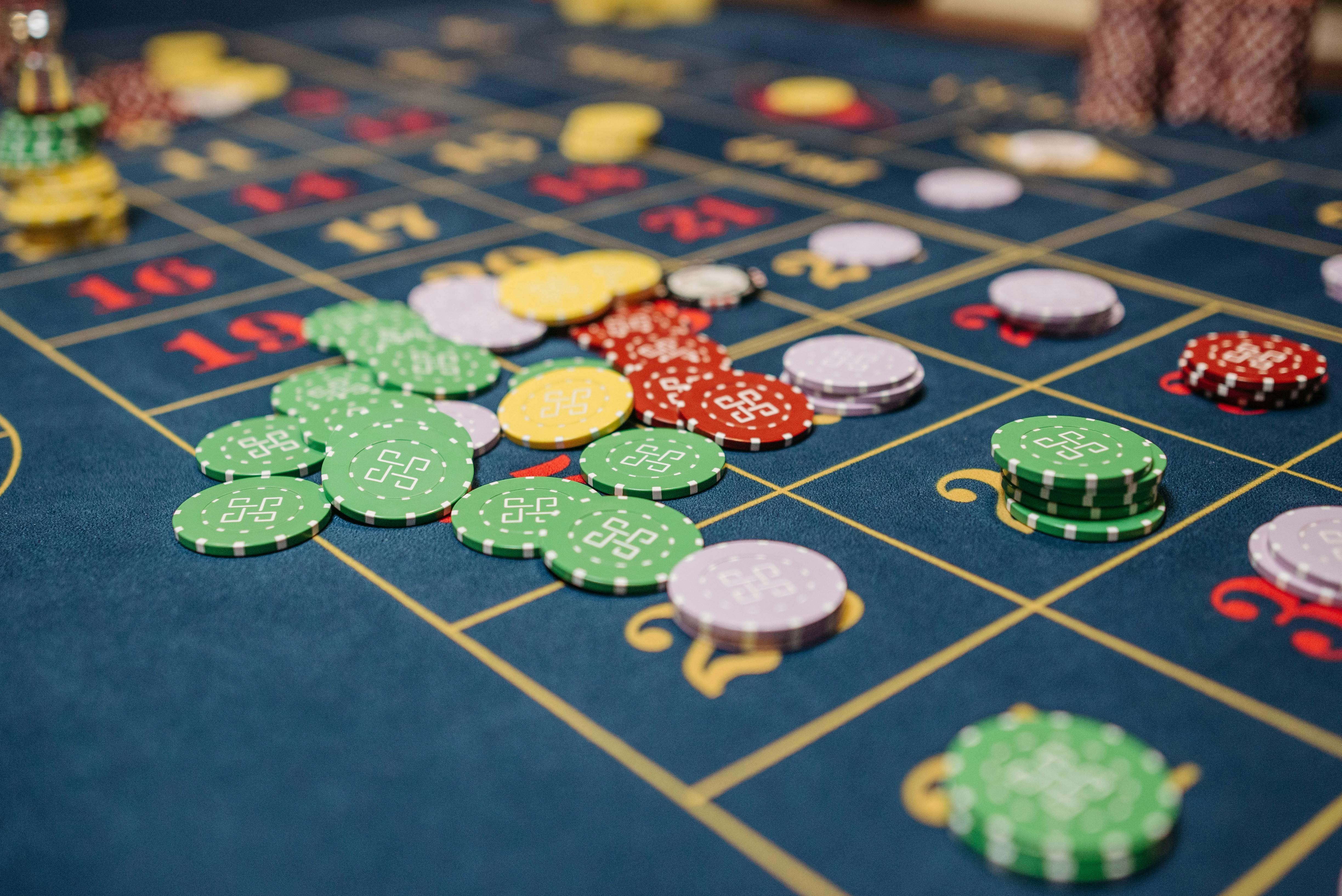
Moreover, engaging in various forms of entertainment within a casino can also promote a balanced experience. Participating in shows, dining, or enjoying the ambiance can enrich your visit and provide enjoyment beyond just gambling. Appreciating these diverse offerings can reduce the focus on betting, making gaming feel like a part of a broader entertainment experience.
Lastly, nurturing hobbies and interests outside of the casino helps maintain a balanced lifestyle. Having other activities to engage in can prevent over-dependence on gambling for entertainment. Whether it’s sports, arts, or social events, diversifying your interests can significantly enhance overall well-being and provide fulfilling alternatives to time spent in a casino.
Resources and Support for Responsible Gambling
Many casinos and gaming institutions provide extensive resources to promote responsible gambling. This includes information on limits, self-exclusion programs, and tips for maintaining control. Patrons are often encouraged to seek out these resources not only for their own well-being but also to support a healthy gaming environment for everyone. Knowledge of these options empowers players to make informed choices that align with their personal limits and values.
In addition to internal resources, national and local organizations offer support and education on responsible gambling. These organizations provide various tools such as self-assessment tests, counseling services, and helplines. Educating yourself and your peers about these services can build a community around responsible gambling and foster an atmosphere of support for those who may be struggling.
Ultimately, the commitment to responsible gambling is a continuous journey. By utilizing available resources, sharing experiences with others, and remaining vigilant about personal habits, players can contribute to a healthier gambling culture. This shared responsibility ensures that everyone can enjoy the thrill of gaming while minimizing risks and promoting safety in the gaming environment.